
Fell in love with the teacup chihuahua. How to get it?
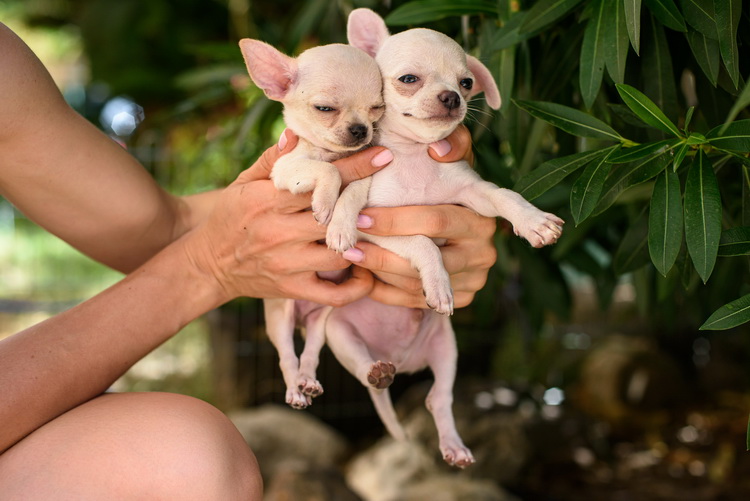
Uncovering the truth about the chihuahua dog small and chihuahua teacup dog When we delve into the world of the Chihuahua, we find that there are many interesting terms, such as “mini” and “teacup”. These miniature dogs are known for their adorable personality and small stature. Let’s break down the facts about these little pups and dispel some common misconceptions. What weight categories are accepted for the Chihuahua, and what is considered the ideal weight according to the breed standard? In the world of standard Chihuahuas, variations such as “mini” and “teacup” do not officially exist. Instead, breeders often classify dogs by weight, which usually ranges from 1 to 3 kg. The ideal weight is between 1.8 and 2.5kg, indicating the small size characteristic of the Chihuahua dog breed. Why might the labels “mini” and “mini-cup” be used in marketing, and how do they relate to actual Chihuahua breed standards? Breeders may use terms such as “chihuahua mini cup” to market a smaller Chihuahua, creating a fashion trend. However, it is important to realize that these designations have more to do with marketing than actual breed standards. The appeal of the term “Chihuahua Mini” may attract attention, but it is important to separate marketing trends from the actual breed situation. How does the birth weight of a Chihuahua compare to the weight of a full grown miniature chihuahua, and why can some puppies “stop” growing while others grow to 2.5-3 years of age? A Chihuahua’s size at birth does not necessarily determine its growth. Some puppies born to standard-sized parents may be labeled “mini” if they weigh below the 1.8kg threshold. Interestingly, a puppy’s growth trajectory is not something that is set in stone. Some puppies seem to “stop” growing at six months of age, while others continue to grow until they are 2.5 to 3 years old. Why might the mini teacup Chihuahua breed be attractive to breeders? The mini cup chihuahua can be attractive to breeders only in a way to attract more buyers. In fact, “mini” and “teacup” puppies can not reproduce because of the danger to their lives during pregnancy. Uncovering the truth about the chihuahua dog small and chihuahua teacup dog When we delve into the world of the Chihuahua, we find that there are many interesting terms, such as “mini” and “teacup”. These miniature dogs are known for their adorable personality and small stature. Let’s break down the facts about these little pups and dispel some common misconceptions. Q What weight categories are accepted for the Chihuahua, and what is considered the ideal weight according to the breed standard? A In the world of standard Chihuahuas, variations such as “mini” and “teacup” do not officially exist. Instead, breeders often classify dogs by weight, which usually ranges from 1 to 3 kg. The ideal weight is between 1.8 and 2.5kg, indicating the small size characteristic of the Chihuahua dog breed. Q Why might the labels “mini” and “mini-cup” be used in marketing, and how do they relate to actual Chihuahua breed standards? A In the world of standard Chihuahuas, variations such as “mini” and “teacup” do not officially exist. Instead, breeders often classify dogs by weight, which usually ranges from 1 to 3 kg. The ideal weight is between 1.8 and 2.5kg, indicating the small size characteristic of the Chihuahua dog breed. Q How does the birth weight of a Chihuahua compare to the weight of a full grown miniature chihuahua, and why can some puppies “stop” growing while others grow to 2.5-3 years of age? A A Chihuahua’s size at birth does not necessarily determine its growth. Some puppies born to standard-sized parents may be labeled “mini” if they weigh below the 1.8kg threshold. Interestingly, a puppy’s growth trajectory is not something that is set in stone. Some puppies seem to “stop” growing at six months of age, while others continue to grow until they are 2.5 to 3 years old. Q Why might the mini teacup Chihuahua breed be attractive to breeders? A The mini cup chihuahua can be attractive to breeders only in a way to attract more buyers. In fact, “mini” and “teacup” puppies can not reproduce because of the danger to their lives during pregnancy. Any further questions? Please don’t hesitate to contact us — we’re here to help! Contact US
What is a Microchip?
What is a Microchip? Chez Lookum, nous vous accompagnons à chaque étape pour une adoption sereine, responsable et personnalisée. Q What is a Microchip? A A microchip is a tiny electronic device that serves as a unique identifier for animals. It is typically implanted under the skin, offering a secure and permanent method of linking pets to their owners. Unlike visible tags, a microchip ensures that crucial information is always accessible, even if external identification is lost. Q How does implanting a microchip under the skin relate to the electronic number, and why is this process important for animal identification? A The microchip is implanted beneath the animal’s skin and contains a specific electronic number. This number serves as the key to the pet’s identity and facilitates the process of reuniting lost or missing animals with their concerned owners. Q What should I know about the procedure for using a special reader to scan microchips? Where can such readers be found? A Microchips are read using specialized scanners, commonly found at veterinary clinics, animal shelters, and other relevant facilities. When a lost animal is brought in, the special reader is used to scan for the microchip, revealing the unique identification number associated with the pet. Q Can the microchip be said to be a GPS tracking device? A Contrary to popular belief, a microchip is not a GPS-tracker. It does not provide real-time location information or surveillance capabilities. Instead, its primary function is to store identification data, such as the pet owner’s contact information, veterinary details, and any other relevant data necessary for proper care. Q Why do the first three digits of the microchip correspond to the country code? How does this coding system comply with international standards? A Microchips follow a standardized system where the first three numbers represent the country code. This ensures that the identification process is not only efficient, but also adheres to international standards. These codes help authorities quickly determine the origin of the microchipped animal. Any further questions? Please don’t hesitate to contact us — we’re here to help! Contect Us
What is a veterinary passport, and why do I need one?
What is a veterinary passport, and why do I need one? Veterinary passport is an important document, especially for our furry friends from LOOKUM kennel. It is especially important for international traveling of the pet. Let’s understand together the main aspects of this document: Is a veterinary passport compulsory for dogs traveling abroad? The veterinary passport is the official international form, making it a mandatory document for dogs planning to travel abroad. LOOKUM kennel recognizes the importance of this document to ensure smooth and safe travel for your beloved pets. Is there any information about the dogs in the document? This document serves as a comprehensive repository of all important information about your dog. From the owner’s details to the dog’s name, breed, sex and date of birth, every important piece of information has a place in the veterinary passport. What information does the microchip contain? A microchip for dogs usually contains a unique identification number that is linked to information about their owner. This number ensures that the dog can be quickly recognised in the event of loss or misplacement. And the most important element of the veterinary passport is the microchip number. The LOOKUM kennel prioritizes the safety and identification of your dogs by carefully recording and checking the microchip data in the passport, please note that microchipping is a compulsory procedure for all puppies. This ensures that your pet can be easily identified and found when traveling. Are vaccination records kept on the veterinary passport? The most important section of the veterinary passport is dedicated to recording your pet’s vaccination history. Each vaccination is documented with the name of the medication, date of vaccination and expiry date. The seal of an authorized veterinarian authenticates this information. In conclusion, a veterinary passport is not just a formality, but an essential tool for the responsible and safe international travel of your dogs. LOOKUM Kennel takes care to ensure that each document is not only complete, but also reflects our commitment to transparency and adherence to international standards.
What is a pedigree, and why is it important?
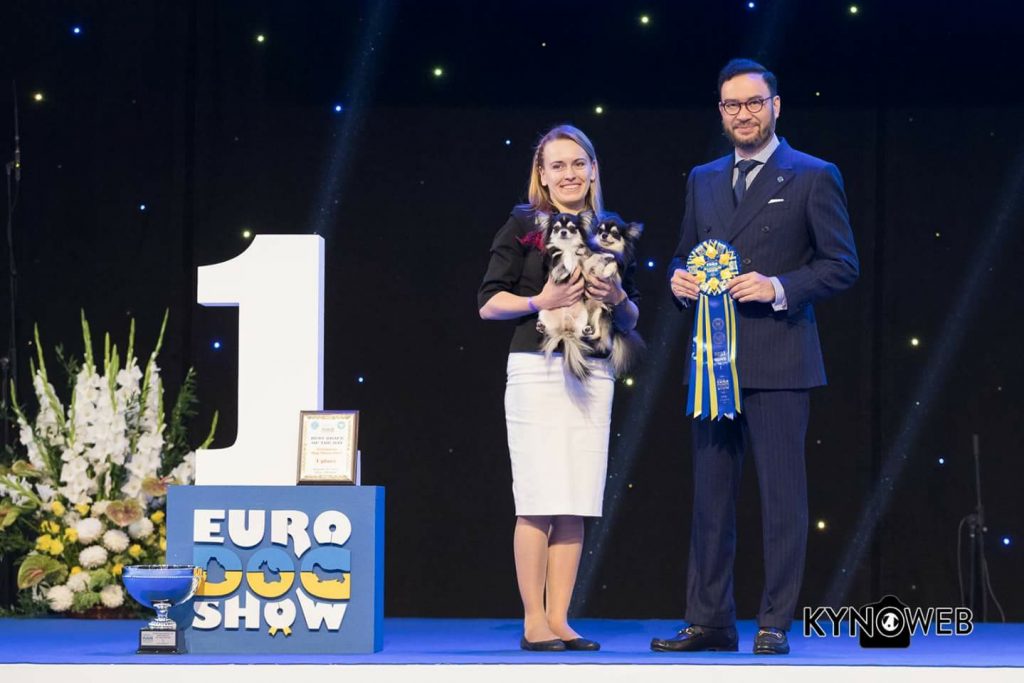
What is a pedigree, and why is it important? A puppy pedigree is like a real family tree, tracing the origins and lineage of each puppy. It is a detailed document that reflects the lineage and genealogical analysis. Our pedigrees are not just a piece of paper, but official entries in genealogical books, certified by ENCI, the cynological club of Italy, a member of FCI since 1882. Each of our dogs, in addition to registration in the genealogical book, has a DNA deposit for identification and guarantee of genetic purity. This important addition ensures the transparency of each puppy’s origin and emphasizes our dedication to international quality standards. Why should I, as a pet owner, consider Pedigree? While a pedigree may seem like just a “cool” certificate to most pet owners, it can actually play a crucial role in understanding your dog’s heritage. It becomes especially important if you plan on breeding, showing your dog in competitions, or when you’re a responsible pet owner and just want to make sure your pet has a healthy pedigree. How does LOOKUM kennel take care of the quality of offspring and breeding? At LOOKUM, our puppies are not just pets, they are family members. We carefully select bloodlines that not only meet breed standards, but also carry family warmth. Each puppy is born and raised in an atmosphere filled with love and care. Why is pedigree important to breeders ? For breeders, pedigrees are a roadmap to breeding and show success. It helps to trace breeding lines, control inheritance and improve breed characteristics. It is a guide to ensure that each new generation in the LOOKUM reflects the best traits of the Chihuahua. Does pedigree affect participation in shows and competitions? Absolutely! In many competitions, a pedigree is a prerequisite, especially for high titles. It is a testament to the quality and heritage of your furry companion. Therefore, if you are planning to breed, aspire to conquer shows or just want to enjoy the joy of your Chihuahua’s heritage, the LOOKUM Kennel is your ideal solution. LOOKUM is not just a kennel, it is a love story for Chihuahuas that has been going on for over a decade. Explore the LOOKUM heritage on our website – we’re sure we can find the perfect puppy for you.